
Introduction to Payment Plans for New Developments in Punta Cana
Payment plans for new developments in Punta Cana are financial schemes that allow buyers and investors to acquire properties through staggered payments during different phases of the real estate project. These plans facilitate investment by spreading out the total payment, adapting to the financial capacity and strategy of each buyer.
In a dynamic market like Punta Cana, where residential demand is growing driven by tourism expansion and infrastructure development, having flexible payment options is key to accessing projects in high-potential appreciation areas such as Cap Cana or Bávaro. Additionally, phased payment plans for new developments in Punta Cana offer security and transparency by linking payments to specific construction milestones, reducing risks for the investor.
This system is especially relevant given the projected sustained growth of the tourism sector and the strong demand for vacation and residential homes in the region, factors that support the profitability and appreciation of properties acquired under these plans.
To explore how to leverage these opportunities, see our detailed investor guide on the best new development projects in Punta Cana.
Fuente: inmobiliario.do, 2026.
Fuente: vivirrd.do, 2026.
Fuente: vorgalproperties.com, 2026.
Common Payment Methods for New Developments in Punta Cana
In Punta Cana, payment methods for new developments are usually structured to facilitate investment for both local and international buyers. The most common method starts with a down payment or deposit, which generally represents a percentage of the total property value. This payment secures the reservation and commitment to the project.
Subsequently, financing can be done through two main channels:
Direct payments to developers: Some developers offer internal installment payment facilities during construction, allowing payments to be spread out without the need for banking intermediaries.
Bank financing: Local and foreign financial institutions offer mortgage loans for new developments with variable conditions depending on profile and amount. In this case, the buyer can access longer terms provided they meet credit requirements.
These options provide flexibility and adaptability according to the investor’s profile and the selected project. It is advisable to evaluate each proposal in detail and have specialized advice to optimize the financial structure.
For a more comprehensive view of investing in this area, see our investment guide for Punta Cana.
Fuente: Real estate market data 2026, Vorgal Properties.
Fuente: Tourism and hotel occupancy statistics, [inmobiliario.do](https://inmobiliario.do/turismo-en-republica-dominicana-crece-y-fortalece-actividad-hotelera-en-2026) and [vivirrd.do](https://vivirrd.do/ocupacion-hotelera-dominicana-sube-79-punto-3-2026).
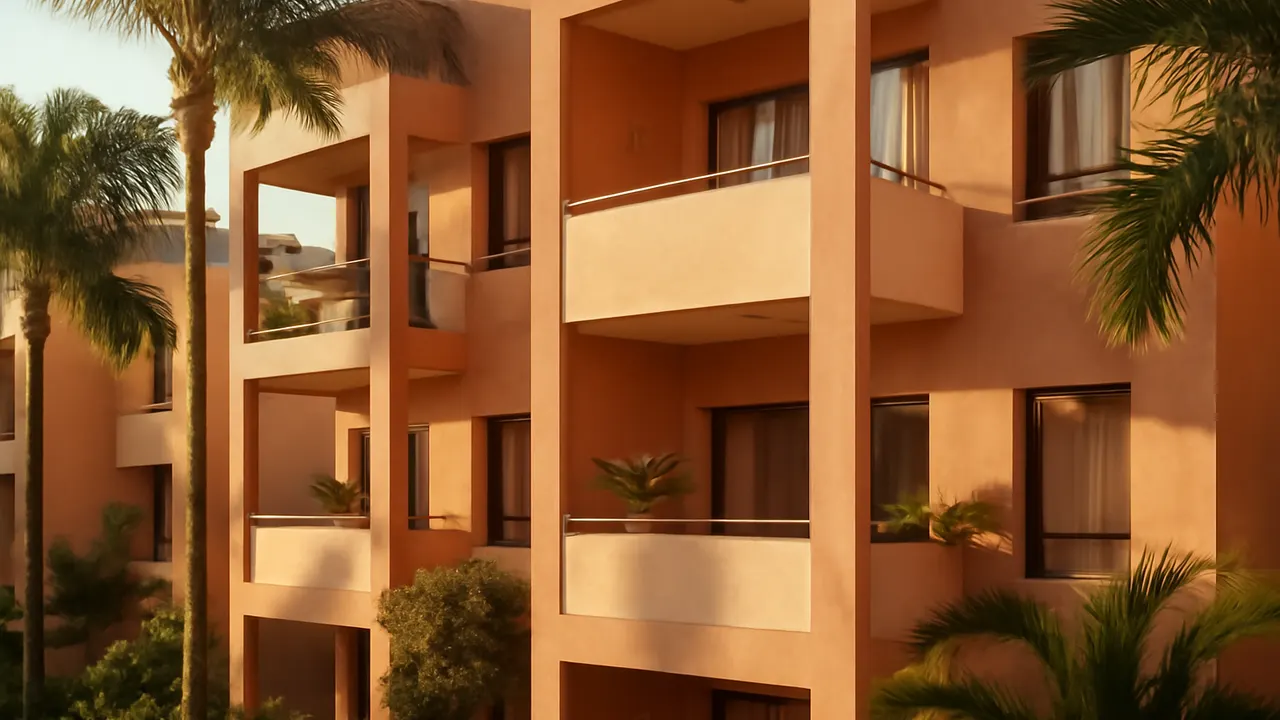
Phased Payment in New Developments: Stages and Advantages for Investors
The phased payment model for new developments in Punta Cana is a structured approach that facilitates property acquisition in projects under development by dividing the payment into stages linked to construction progress. This scheme usually includes:
- Reservation or initial deposit: guarantees the spot and formalizes the purchase commitment.
- Payments during construction: partial payments are made as milestones are completed, such as foundation, structure, or finishes.
- Final payment: paid upon property delivery and signing of the deed.
This method offers several advantages to investors:
- Financial flexibility, by spreading the investment over time and not requiring full payment upfront.
- Risk reduction, since payments are conditioned on actual construction progress.
- Appreciation potential, given that real estate appreciation in Punta Cana has recorded nominal growth of 9-13% (TheLatinvestor/Properstar).
- Access to premium projects with greater control over investment and customization options in early stages.
To take advantage of these opportunities in established areas like Cap Cana, it is advisable to thoroughly understand the specific terms of each plan and seek specialized advice.
Fuente: TheLatinvestor/Properstar (2025)
Fuente: vorgalproperties.com, Punta Cana real estate market data 2026

Tax and Legal Considerations in Payment Plans for New Developments
When negotiating payment plans for new developments in Punta Cana, it is essential to consider tax and legal aspects that affect the investment and ownership. Firstly, property purchases in the Dominican Republic are subject to taxes such as ITBIS (Value Added Tax on Industrialized Goods and Services) and real estate transfer tax, in addition to notary and registration fees. It is important to verify that the project has current licenses and permits to avoid legal contingencies.
Also, purchase contracts for new developments must clearly detail the payment phases, deadlines, delivery conditions, and penalties in case of breach. This protects the buyer against possible delays or project modifications. Local legislation also establishes that foreign buyers can acquire properties without restrictions, but it is advisable to confirm the legal status of the property and ownership.
Given the complexity and particularities of the Dominican market, specialized advice is recommended to analyze each payment plan and ensure a secure and transparent investment. For more information on real estate investment in the area, see our investment guide for Punta Cana.
Fuente: Dominican Republic real estate market and tax data, 2026 (vorgalproperties.com).
Tips for International Investors When Choosing Payment Plans in Punta Cana
When evaluating payment plans for new developments in Punta Cana, international investors should consider several key aspects to optimize their investment and minimize risks. First, it is essential to analyze the flexibility of the offered plans, assessing whether they allow staggered payments adjusted to their own cash flows and if they contemplate possible modifications in case of delays or project changes.
Likewise, it is advisable to verify the developer’s reputation and transparency in contractual documentation, ensuring that payment terms are clear and legally protected. Assessing the local economic and tourism context is another decisive factor; with the ongoing expansion of Punta Cana International Airport and estimated nominal residential appreciation between 9-13% (vorgalproperties.com), long-term structured payment plans can be advantageous.
Finally, consulting specialized guides such as the investment guide for Punta Cana and having resident legal and tax advice is recommended. This will allow selecting payment plans that not only facilitate acquisition but also maximize profitability and capital security.
Fuente: PUJ Airport 8 million passengers in 2026 (angelalistings.com, 2026).
Fuente: Nominal residential appreciation 9-13% (vorgalproperties.com, 2026).
Fuente: Punta Cana-Bávaro hotel occupancy 85.5% (vivirrd.do, 2026).
Frequently asked questions
What are the most common payment methods when buying new developments in Punta Cana?
The most common payment methods include an initial payment upon signing the contract, followed by partial payments linked to specific construction progress milestones, and the final payment upon delivery. Bank transfers in USD are also common due to the dollarization of the Dominican Republic real estate market.
How does phased payment work in a new development real estate project?
Phased payment is structured according to construction milestones established in the contract, allowing the buyer to make progressive disbursements as the project advances. This facilitates financial planning and reduces risks since payments are conditioned on verifiable project execution.
What tax considerations should I keep in mind when acquiring a property in a new development with payment plans?
It is important to consider that the purchase is subject to ITBIS (Value Added Tax on Industrialized Goods and Services) and other local taxes. It is recommended to consult a resident tax advisor to understand specific obligations and optimize tax planning.
Is it possible to finance the purchase of new developments in Punta Cana and what options exist?
Yes, there are financing options through local and international banks operating in the Dominican Republic, as well as direct financing with some developers. Conditions vary depending on the buyer’s profile and the project, so it is advisable to evaluate each case with specialized advice.
Market indicators come from cited public sources. This content is informational and does not constitute legal, tax or investment advice. Always verify each case with resident advisors in the Dominican Republic.