
The Importance of Infrastructure in Punta Cana for the Real Estate Market
Infrastructure in Punta Cana is a decisive factor for property value and demand in the region. The expansion and modernization of Punta Cana International Airport, which handled over 11 million passengers in 2025 with a 9.9% year-over-year growth, facilitate air connectivity from key markets such as Europe and the Americas, increasing access for tourists and potential international buyers. Source: cana.tours
Additionally, tourism projects exceeding US$4 billion in strategic areas like Cap Cana and Bávaro not only enhance hotel offerings but also generate sustained demand for residential and investment properties. Source: vorgalproperties.com
The high hotel occupancy rate of 88.2% in the first half of 2026 reflects a strong tourism environment that drives nominal real estate appreciation between 9-13% in established areas, according to industry sources. Source: inmobiliario.do
Together, this modern infrastructure and tourism growth strengthen Punta Cana’s appeal as a premium real estate market, ideal for investors seeking diversification with high liquidity and appreciation potential. For a detailed analysis, we recommend consulting the Punta Cana investment guide.
Punta Cana International Airport (PUJ) and Its Impact on Real Estate Development
Punta Cana International Airport (PUJ) plays a fundamental role in connectivity and access for buyers and investors to the local real estate market. In 2025, the airport recorded traffic exceeding 11 million passengers, with a 9.9% year-over-year increase, reflecting growing tourism demand and PUJ’s strategic importance as a Caribbean gateway.
This expansion facilitates direct arrivals from key markets, including the recent seasonal Barcelona-Punta Cana route, broadening opportunities for European and American investors. Smooth air access strengthens areas like Cap Cana and Bávaro, where residential demand has driven nominal real estate appreciation of 9-13%.
The airport not only increases tourist influx but also consolidates Punta Cana as an attractive destination for real estate investment, supported by robust infrastructure underpinning sector growth. To explore the best areas to invest linked to this connectivity, see our dedicated section on the Cap Cana area.
Fuente: cana.tours, 2025
Fuente: vorgalproperties.com, 2026
Fuente: angelalistings.com, 2026

Roads and Access: Key Enablers for Real Estate Growth in Punta Cana
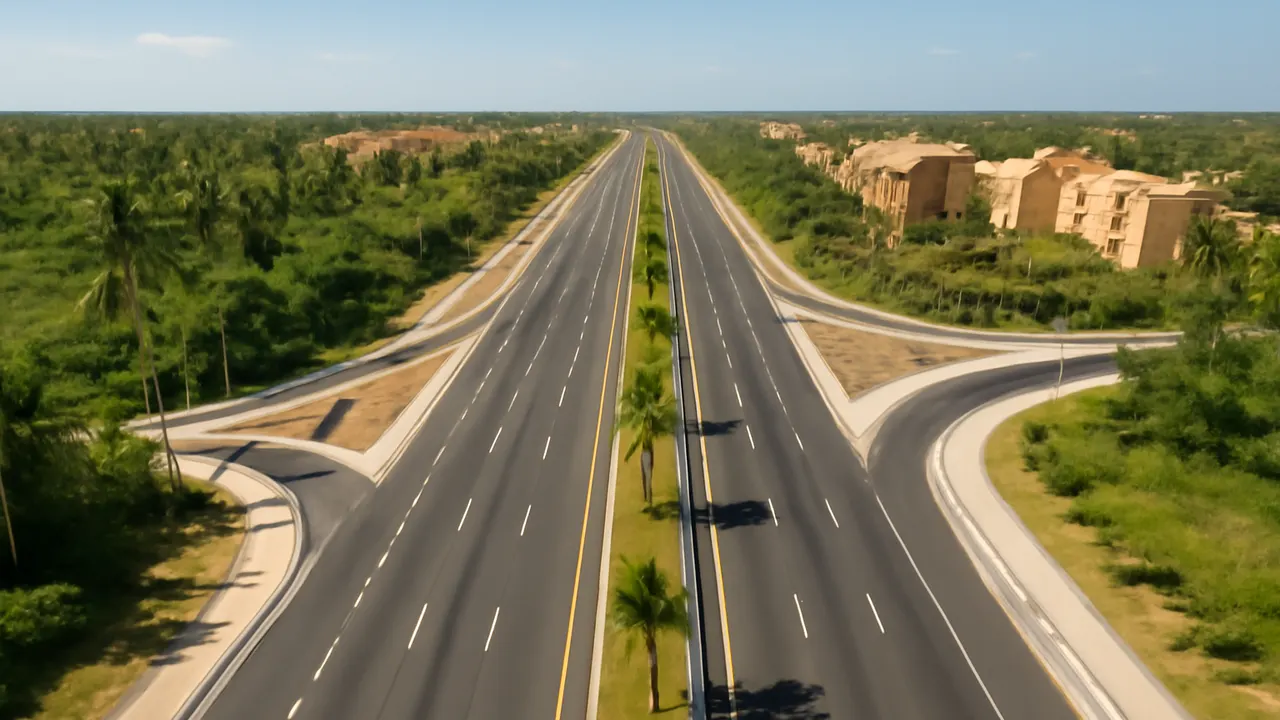
The ongoing development and improvement of Punta Cana roads is a critical factor for mobility and real estate sector growth in the region. In recent years, investments have been made to expand and modernize main routes connecting key areas such as Cap Cana, Bávaro, and Punta Cana Village, facilitating access for both residents and tourists.
These improvements reduce travel times and enhance service logistics, increasing appeal for buyers and investors. Efficient connectivity also drives the expansion of residential and tourism projects in strategic zones, supporting property value appreciation.
Moreover, road infrastructure supports the tourism boom, a key pillar of local economic development, by easing flow to Punta Cana International Airport and main tourist destinations. This synergy between infrastructure and tourism creates a favorable environment for sustainable real estate investments.
Investors interested in this dynamic should review the real estate offerings in areas with improved access, such as the Cap Cana area, where road infrastructure plays a crucial role in value growth and demand.
Fuente: cana.tours, inmobiliario.do, vorgalproperties.com (2025-2026)
Punta Cana Tourism Developments as a Driver of Real Estate Investment
Tourism developments in Punta Cana in key areas like Cap Cana, Bávaro, and Uvero Alto are establishing the region as a preferred destination for real estate investment. In Cap Cana, integrated projects combine marinas, golf courses, and exclusive resorts, generating strong residential demand from international buyers seeking quality of life and capital appreciation. Bávaro, with its already consolidated hotel infrastructure, continues expanding with new tourism complexes that boost the need for nearby housing, both for vacation use and short-term rentals. Uvero Alto, focusing on more exclusive and sustainable developments, attracts a select niche of investors interested in high-value and private properties.
This tourism project dynamic is closely linked to tourism growth, which reached a historic record with over 11.6 million visitors in 2025, and to tourism infrastructure investment exceeding US$4 billion, fostering a favorable environment for real estate market appreciation.
To learn more about the specific features and advantages of these areas, we recommend visiting our page dedicated to the Cap Cana area.
Fuente: cana.tours (2025)
Fuente: vorgalproperties.com (2026)
Fuente: inmobiliario.do (2026)
Outlook and Opportunities for International Buyers and Investors
The solid infrastructure in Punta Cana reinforces growth prospects for the real estate market, especially for international buyers and investors. The record increase in air traffic at Punta Cana International Airport, which surpassed 11 million passengers in 2025 with a 9.9% growth, facilitates access from North America and Europe, expanding residential and vacation demand.
Strong hotel occupancy, at 88.2% in the first half of 2026, along with a 15.3% year-over-year increase in tourism revenues, highlights sector stability and profitability. Investment exceeding US$4 billion in new tourism projects in key areas like Cap Cana and Bávaro creates a conducive environment for real estate appreciation.
These dynamics drive nominal residential appreciation of 9-13%, supported by infrastructure and tourism expansion. For those considering diversifying or starting their investment, understanding the Cap Cana area is essential given its strategic relevance and current development.
Fuente: cana.tours, 2025-2026
Fuente: inmobiliario.do, 2026
Fuente: vorgalproperties.com, 2026
Fuente: angelalistings.com, 2026
Fuente: presidencia.gob.do, 2026
Frequently asked questions
How does the expansion of PUJ airport affect property values?
The expansion of Punta Cana Airport (PUJ), projected to reach about 11.1 million passengers in 2025 with a 9.9% YoY growth, drives real estate demand by facilitating international access, which increases property values in nearby areas like Cap Cana and Bávaro.
What recent improvements have been made to Punta Cana’s roads?
Key routes connecting Punta Cana with tourist and residential areas have been recently improved and expanded, optimizing mobility and reducing travel times, which supports property appreciation and enhances the experience for residents and investors.
Which areas have the most tourism development in Punta Cana?
Cap Cana, Bávaro, Punta Cana Village, and Uvero Alto are the areas with the highest tourism development, thanks to their hotel, marina, and residential infrastructure attracting high-quality investment and tourism.
What advantages does the current infrastructure offer international investors?
The consolidated infrastructure, including a high-capacity international airport and modern roads, along with a dollarized real estate market, facilitates secure investment and vacation rental management, optimizing profitability.
Market indicators come from cited public sources. This content is informational and does not constitute legal, tax or investment advice. Always verify each case with resident advisors in the Dominican Republic.