
Taxes on Real Estate Purchases in Punta Cana
Acquiring a property in Punta Cana involves considering various real estate purchase taxes in Punta Cana that affect the total cost and investment structure. The main taxes applicable to real estate purchases in the Dominican Republic are:
Real Estate Transfer Tax (ITBI): A municipal tax generally equivalent to 3% of the property's value recorded in the public deed. This tax is paid at the time of transfer and is mandatory to formalize the purchase.
Real Estate Property Tax (IPI): An annual progressive tax levied on the cadastral value of properties, with exemptions for low-value residential properties and rates that increase according to the declared value.
Income Tax (ISR) for non-residents: In the event of a future sale, non-residents must consider withholding tax on capital gains, the percentage of which may vary and requires specialized advisory.
Notarial and registration fees: Although not taxes, these represent additional costs linked to the formalization and registration of the property in the Title Registry.
Understanding these taxes is essential for proper investment planning. It is recommended to consult with a resident tax advisor and review our foreign buyer's guide for a personalized analysis according to current legislation.
Fuente: Central Bank of the Dominican Republic, [inmobiliario.do](https://inmobiliario.do)
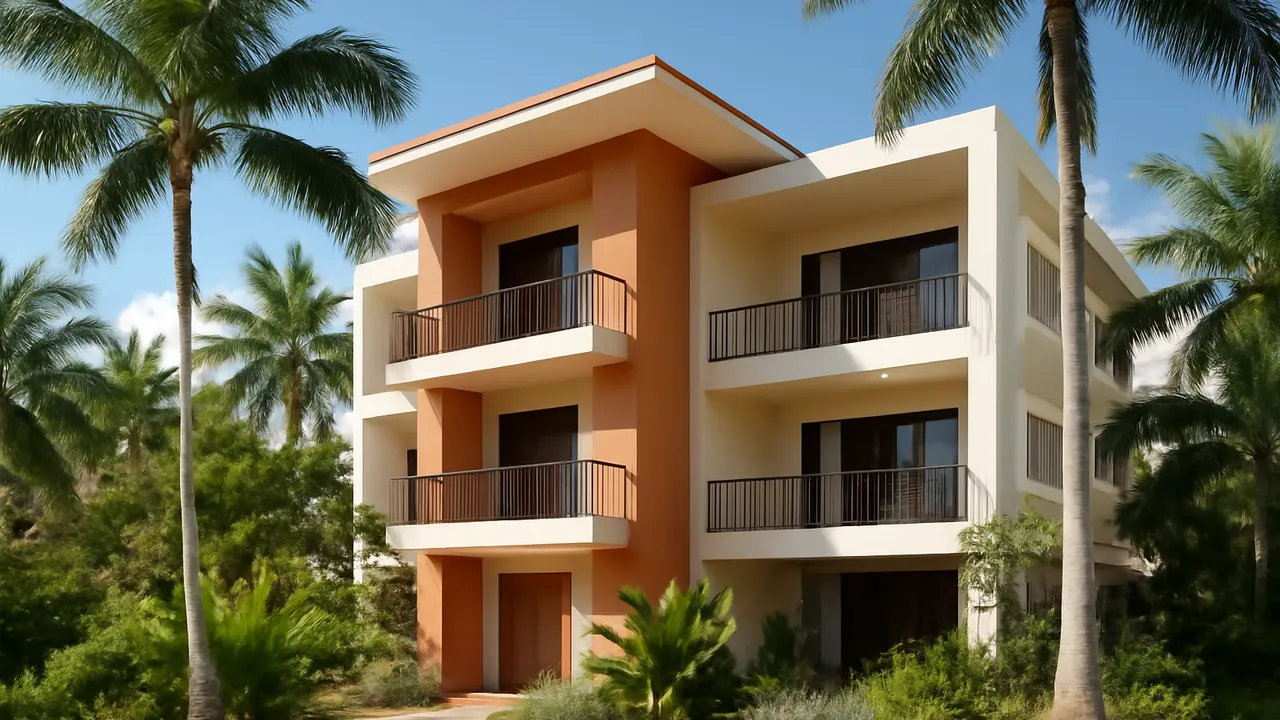
Fiscal Incentives for Real Estate Investments in Punta Cana
The real estate fiscal incentives in Punta Cana represent a significant attraction for international buyers and investors interested in the local market. The Dominican Republic has established a fiscal framework designed to encourage foreign investment in real estate, especially in established tourist areas such as Punta Cana.
Key benefits include:
- Exemption from ITBIS (Value Added Tax on Industrialized Goods and Services) for certified tourism and residential projects, reducing the fiscal acquisition cost.
- Exemption from real estate property tax (IPI) for a determined period for new constructions aimed at tourism or residential use.
- Facilitation of capital and profit repatriation, since the real estate market is mainly handled in U.S. dollars, benefiting from exchange rate stability in a country with a de facto dollarized economy.
- Special treatment in asset transfers, with moderate taxes compared to other jurisdictions in the region.
These incentives, combined with tourism growth and infrastructure development, position Punta Cana as a privileged area to invest in Punta Cana with competitive fiscal advantages.
Fuente: Central Bank DR, WTTC, ASONAHORES.
Fuente: [diariolibre.com](https://www.diariolibre.com/economia/turismo/2026/01/06/aeropuerto-de-punta-cana-movilizo-mas-de-11-mm-de-personas-en-2025/3396256?utm_source=openai)
Fuente: [inmobiliario.do](https://inmobiliario.do/turismo-record-ocupacion-moderada-el-efecto-de-la-expansion-hotelera/?utm_source=openai)

Benefits of the CONFOTUR Regime for Tourism Properties
The CONFOTUR regime offers significant fiscal benefits for tourism real estate projects in Punta Cana, encouraging foreign and local investment in the sector. Among the main CONFOTUR fiscal benefits are:
- 100% exemption from Income Tax (ISR) during an initial period that can extend up to 15 years, depending on the type of investment and its category.
- Exemption from Value Added Tax (ITBIS) on the purchase of materials and services related to the construction and operation of the tourism project.
- Exemption from municipal taxes and reduction of customs duties for the importation of goods destined for tourism facilities.
- Facilities for the temporary importation of equipment and furniture without tax payment.
This fiscal framework aims to promote the development of residential and hotel tourism properties, contributing to the expansion of the real estate market in areas such as Punta Cana, Cap Cana, and Bavaro. Investors acquiring properties under this regime can optimize profitability, especially in a market supported by sustained tourism and infrastructure growth.
Fuente: Central Bank Dominican Republic, Ministry of Tourism DR, [TheLatinvestor](https://thelatinvesitor.com)
Fuente: Punta Cana International Airport (PUJ), [Diario Libre](https://www.diariolibre.com)
Transfer Taxes and Other Associated Costs in the Dominican Republic
When acquiring a property in Punta Cana, it is essential to consider the transfer taxes in DR and other associated costs that are part of the real estate purchase process in the Dominican Republic. The transfer tax, also known as real estate ITBIS, corresponds to 3% of the registered property's value and is paid once at the time of deed registration.
In addition to the transfer tax, buyers should consider other related expenses, such as:
- Notarial fees: Including the preparation and legalization of the public deed.
- Property registration: Costs associated with registering the property in the Title Registry.
- Legal and advisory fees: Recommended to ensure proper document review and regulatory compliance.
- Municipal taxes: Depending on the location, an annual property tax may apply.
These costs complement the transfer taxes and usually represent an additional percentage over the purchase value. It is advisable to have specialized resident advisory to properly plan the investment and avoid surprises during the process.
Fuente: Central Bank of the Dominican Republic
Fuente: General Directorate of Internal Taxes (DGII)
Fuente: [diariolibre.com](https://www.diariolibre.com)
Recommended Tax Advisory for Property Purchases in Punta Cana
Having specialized tax advisory for property purchases in DR is essential to optimize the real estate acquisition process in Punta Cana and ensure compliance with current regulations. Given the complexity of the Dominican tax framework and the particularities of the local market, an experienced advisor can guide on applicable taxes such as ITBIS, transfer fees, and real estate property tax (IPI).
Additionally, tax advisory helps identify fiscal benefits and legal structures that favor investment, minimizing risks and avoiding contingencies. It also facilitates tax planning for vacation rental projects, a growing segment linked to tourism that represents nearly 18% of the national GDP.
Finally, expert advisory contributes to a transparent and efficient purchase process, especially for international investors who must comply with specific legal and tax requirements, as well as understand the impact of dollarization and exchange regulations.
Key recommendations:
- Verify the correct application of taxes and fees.
- Evaluate legal structures for tax optimization.
- Stay updated with local regulatory changes.
- Consult resident advisory for definitive legal aspects.
Fuente: Central Bank DR, WTTC, ASONAHORES.
Frequently asked questions
What are the main taxes I should consider when buying property in Punta Cana?
The main taxes include the Real Estate Transfer Tax (ITBI), which is approximately 3%, and the associated notarial and registration fees during the purchase process. The annual Real Estate Property Tax (IPI) should also be considered.
What fiscal benefits does the CONFOTUR regime offer to real estate investors?
The CONFOTUR regime grants temporary tax exemptions, such as exemption from ITBI and Income Tax for certified tourism projects, encouraging investment in real estate developments linked to tourism in Punta Cana.
How does the transfer tax affect property purchases in the Dominican Republic?
The transfer tax, or ITBI, taxes the sale of real estate with a fixed percentage on the property's value, generally around 3%, and is mandatory to formalize the ownership transfer.
Why is it recommended to have specialized tax advisory when acquiring properties in Punta Cana?
Specialized tax advisory helps understand local tax obligations, take advantage of applicable fiscal benefits, and ensure legal compliance, optimizing real estate investment in a market with specific regulations.
Market indicators come from cited public sources. This content is informational and does not constitute legal, tax or investment advice. Always verify each case with resident advisors in the Dominican Republic.